Most people think of a dental exam as a quick peek with a mirror and a reminder to floss more often. In a careful practice, the exam is more like a systems check, aimed at catching small problems while they are still simple, then shaping a plan that fits your mouth, budget, and schedule. After twenty years of chairside work, I have seen a five-minute exam miss a hairline crack that later needed a root canal, and I have also watched a thorough visit prevent a tooth extraction because we found decay early enough for a small filling. The difference lives in details: how we use X‑rays, how we screen for oral cancer, how we read gum health, and how we tie everything together with your goals, whether that means braces, teeth whitening, or replacing a missing molar with a dental implant.
This guide spells out what happens during a complete exam, when and why we take radiographs, what an oral cancer screening feels like, and how treatment plans are built. I will also touch on common questions about cosmetic dentistry, dentures, and emergency dental service, with a few local notes for patients searching for a dentist in London, Ontario or surrounding communities.
What a complete dental exam actually covers
A solid exam has four parts that inform one another: medical history and risk assessment, soft tissue and oral cancer screening, periodontal evaluation, and a tooth‑by‑tooth assessment with appropriate imaging. Add an honest conversation about your priorities and you have the bones of a plan.
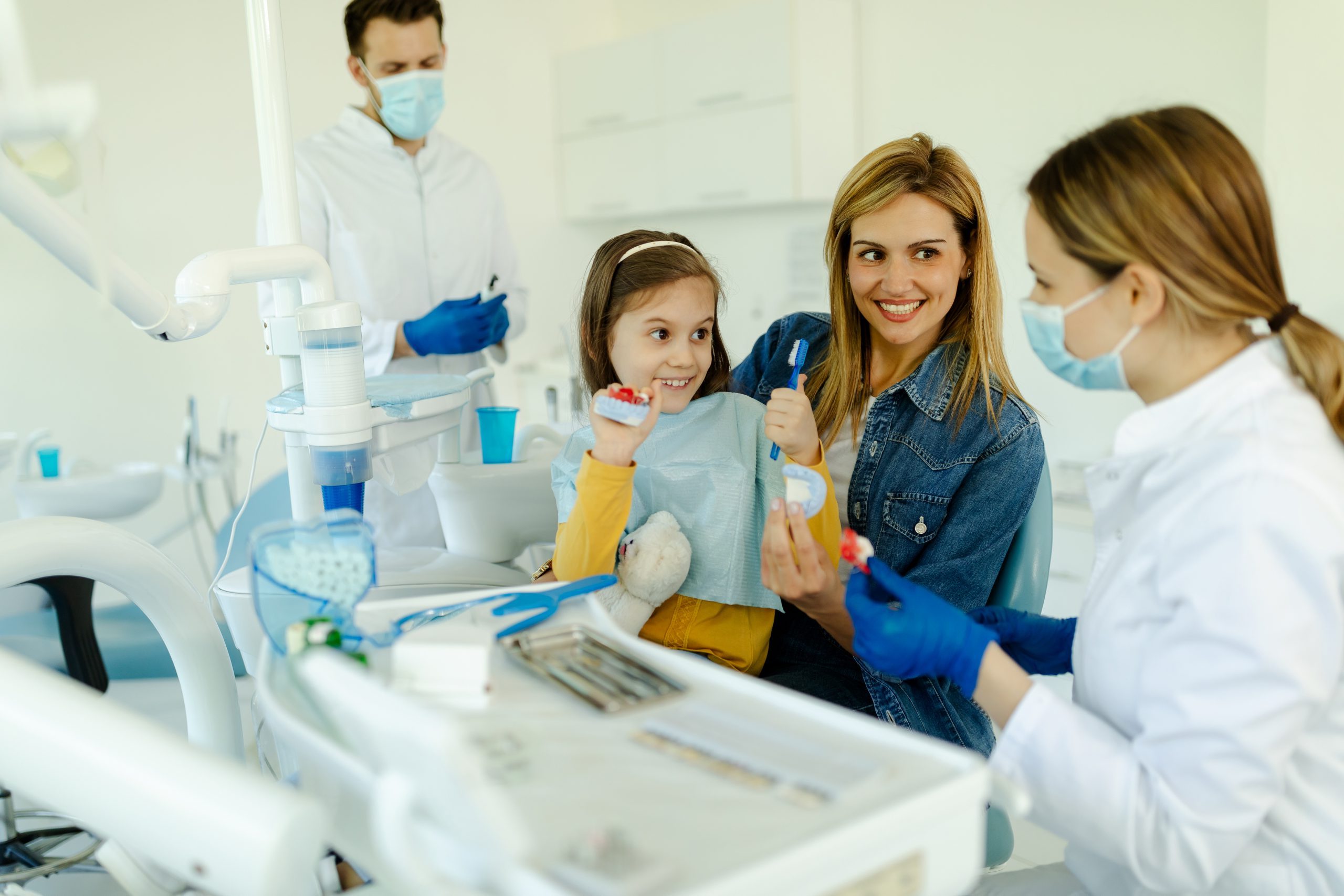
The visit usually begins before you sit down. A dental hygienist reviews your medical history, medications, allergies, and recent changes. A new diagnosis of diabetes or a blood pressure medication can change gum responses and bleeding. Dry mouth from antidepressants raises the risk of cavities, especially along the gumline. A history of head and neck radiation calls for a different prevention protocol and more frequent checks.
The soft tissue exam starts outside the mouth with lymph nodes and jaw joints, then moves to lips, cheeks, tongue, floor of the mouth, palate, and oropharynx. We look and palpate, feeling for lumps, areas that do not move with nearby tissues, or ulcers that have lingered. Many patients are surprised by how quickly this goes, usually less than two minutes, yet it is one of the most important parts of the visit.
Periodontal evaluation focuses on the gums and supporting bone. Using a thin probe, we measure sulcus depths, check for bleeding on probing, and map recession. Healthy gums often show 1 to 3 millimeters of depth with little bleeding. Readings of 4 millimeters or more, bleeding, and mobility point to early gum disease that can be reversed with professional teeth cleaning and home care, or advanced disease that needs scaling and root planing, sometimes with a referral to a periodontist. If you have dental implants, we check implant‑specific markers such as mucosal health, pocket depths around the implant, and any radiographic bone changes.
The tooth‑by‑tooth exam covers cracks, decay, prior dentistry, occlusion, and aesthetics. We test suspect teeth with cold or percussion if you report pain or sensitivity. Small, chalky spots around existing fillings can suggest early recurrent decay. Heavy wear facets may be evidence of nighttime clenching, which affects everything from cracked teeth to the stability of orthodontic braces.
How often X‑rays are really needed
Patients often ask, do I need X‑rays every visit. The short answer is no, but the right answer depends on your risk. Radiographs are the only way to see between teeth and under existing crowns and fillings. Without them, we miss most early decay and bone changes. The art is ordering the right type at the right interval.
Bitewings, those small films you bite on, show the upper and lower back teeth and the height of the bone between them. For low‑risk adults who seldom get cavities and have stable gums, bitewings every 18 to 24 months are usually sufficient. If you have a history of decay, dry mouth, or many fillings, I shorten that to every 12 months, sometimes 6 months if there is active disease.
Periapicals show the entire tooth root and the bone around the tip. We use them to investigate pain, monitor a tooth after a root canal, or check a tooth with deep fillings. These are ordered selectively, not on a fixed schedule.
A full‑mouth series, typically 14 to 18 periapicals plus bitewings, provides a comprehensive baseline for new patients, especially if you have multiple concerns, periodontal issues, or have not had X‑rays in years. For most adults, a full‑mouth set is repeated every 3 to 5 years depending on risk.
Panoramic radiographs capture the jaws, sinuses, and joints in a single sweep. They are helpful for wisdom tooth assessment, jaw pathology screening, and implant planning. Three‑dimensional CBCT imaging adds more detail for complex root canals, impacted teeth, and precise dental implant placement. We reserve CBCT for specific questions to keep radiation reasonable.
Modern digital sensors have cut radiation dramatically compared to older systems. A set of four bitewings is roughly comparable to a few hours of background radiation from daily life. Even so, we do not take a picture unless it can change a diagnosis or plan.
What oral cancer screening includes, and what it does not
Oral cancer screening is a hands‑on, eyes‑open process. Patients expect a special light or rinse. Those adjuncts exist, but the backbone is a careful visual and tactile exam led by a clinician who knows what normal looks like across ages and ethnicities.
I begin with extra‑oral palpation to check submandibular and cervical nodes. Nodes that are firm, non‑tender, and fixed can be worrisome, particularly if they persist for more than two weeks. Inside the mouth, I stretch the cheeks and lips to look for white or red patches, then I gently roll the tongue to look at its sides and underside, where early lesions often hide. I palpate the floor of the mouth and lateral tongue between my fingers. Any ulcer that has not healed within two weeks, any patch that bleeds easily, or any indurated area deserves attention.
Adjunctive devices use special wavelengths of light or staining to highlight abnormal tissues. These tools can help outline the margins of a lesion, but they are not diagnostic. When something looks or feels wrong, the next step is referral for a biopsy, often to an oral surgeon or a head and neck specialist. Patients sometimes fear that a biopsy spreads cancer. It does not. Early diagnosis saves lives, and local dentists are often the first line in finding these problems.
Risk factors matter. Tobacco, heavy alcohol use, HPV infection, and prior history of head and neck cancer increase risk. Age is not a protective shield. I have biopsied dysplastic lesions in patients in their 30s who never smoked. Screening takes only a few minutes and should be part of every dental exam, even if you came in for cosmetic dentistry like teeth whitening or porcelain veneers.
The role of the dental hygienist during exams and cleanings
The dental hygienist is often the first clinician to spot subtle changes because they see you more frequently for teeth cleaning and periodontal maintenance. I rely on their notes about bleeding patterns, plaque retention around orthodontic braces, and mobility changes around dental implants. Hygienists also catch habits that patients do not notice, such as tongue thrust or mouth breathing, which can tie into myofunctional therapy goals and orthodontic stability.
During routine cleanings, the hygienist removes plaque and tartar that brushing cannot reach, then polishes and may apply fluoride varnish if your risk warrants it. In early gum disease, a deeper cleaning called scaling and root planing is done under local anesthesia, often in quadrants. The difference between a maintenance cleaning and periodontal therapy is not just time. It is intention and instrumentation that reaches the root surfaces to disrupt bacterial biofilms that drive bone loss.
Planning care without losing the forest for the trees
After the exam, we synthesize findings into a plan that makes sense. People often think dentistry is a list of items to fix. A better way is to set priorities and sequence treatments so that today’s work does not compromise tomorrow’s options.
When I meet a new patient who needs several fillings, a crown, and has a cracked molar that may need a root canal, we map the steps. If a molar shows lingering cold sensitivity and a crack on the X‑ray, I might recommend addressing that tooth first. Restoring it may avoid a tooth extraction later. If we suspect the nerve is inflamed and a root canal is likely, we plan the crown to follow so we do not rebuild the tooth twice. If there is active gum disease, we schedule periodontal therapy early because bleeding gums can jeopardize the seal of any new fillings or crowns.
Patients interested in cosmetic dentistry often start with whitening, then reshaping or bonding, and finally porcelain veneers if needed. Whitening before veneers matters because veneers are color stable while natural teeth are not. If you whiten after veneers, the surrounding teeth may lighten and create a mismatch. A cosmetic dentist will shape the sequence based on enamel thickness, bite, and aesthetics in motion, not just in a smile photo.
For orthodontic needs, we consider whether to use clear aligners or orthodontic braces. Bite function and discipline drive that choice more than marketing. Aligners work beautifully for mild to moderate crowding if worn as directed. Complex rotations, significant spacing changes, or jaw discrepancies may be better served with braces. If you clench heavily, we plan retention carefully to protect the result.
For missing teeth, dental implants are the gold standard in many cases, but not all. A dental implants periodontist or an oral surgeon places the implant, then your restorative dentist designs the crown. Adequate bone and soft tissue create a stable, esthetic result. If bone is deficient, grafting may be needed. If you smoke or have uncontrolled diabetes, we discuss risk modification before moving forward. Partial dentures or bridges can be appropriate alternatives when implants are not indicated or not preferred.
Prevention that works in real life
Most cavities and gum problems are preventable with consistent hygiene and targeted fluoride. I have seen more success from small habits done daily than from any single treatment.
Brush twice daily for two full minutes with a soft brush and fluoride toothpaste. Electric brushes help many patients maintain pressure and time. Floss or use interdental brushes once daily. For tight contacts, floss is still best. For larger spaces or around implants, interdental brushes or water flossers are often easier and more effective. If you have a high cavity risk, a prescription 5,000 ppm fluoride paste at night makes a measurable difference.
Diet matters as much as brushing. Frequent grazing on fermentable carbohydrates keeps the oral pH low and feeds bacteria. Instead of sipping soda or sports drinks, limit them to mealtimes and rinse with water afterward. Sugar‑free gum with xylitol can help stimulate saliva for patients with dry mouth.
For patients in orthodontic treatment, add a 0.05 percent sodium fluoride rinse at night and use orthobead brushes to clean around brackets. White spot lesions around braces are common and avoidable with these steps.
When a small filling is better than heroic dentistry
Patients sometimes delay care because a tooth does not hurt yet. The absence of pain is not a reliable guide. Early decay in the enamel has no nerve fibers and gives no warning. Waiting until pain forces your hand usually means a bigger, costlier solution.
A smooth‑surface cavity caught early often needs a tiny filling made with bonded composite. That preserves tooth structure and avoids undermining cusps. If decay reaches into the dentin and undermines a cusp, the tooth likely needs a larger onlay or crown. If bacteria reach the pulp and the nerve becomes irreversibly inflamed, then a root canal becomes the conservative option compared to extraction. There is a common misconception that root canals are painful. The procedure relieves pain, it does not cause it. Modern anesthesia and isolation make it predictable and comfortable for most patients.

I keep examples on hand. A healthy 32‑year‑old with a small cavity between the molars will spend a fraction on a filling compared to what they would spend later on a crown after the tooth fractures. For a 68‑year‑old with brittle enamel and old amalgams, proactive onlays can prevent fractures that might otherwise force a tooth extraction and later a dental implant or partial denture.
Cosmetic goals without compromising function
Straight, bright teeth feel good and photograph well, but form and function must work together. I have turned down requests for overly white veneers because they would look stark against a patient’s complexion. A better plan is a natural shade that matches the sclera of the eyes and the patient’s age, then subtly adjust shape and symmetry to bring harmony.
Teeth whitening has three main routes: in‑office power whitening, custom trays with professional gel, and over‑the‑counter strips. In‑office whitening offers quick results, often 3 to 8 shades in an hour, but sensitivity can spike for a day or two. Custom trays take longer, typically 10 to 14 nights, but allow touch‑ups later at low cost. Over‑the‑counter strips work for many first‑time whiteners on a budget but have less precise fit and can irritate the gums if misused. If you have visible fillings or crowns in the front teeth, remember that whitening does not change their color. You may need to replace them after whitening to match your new shade.
Porcelain veneers can correct shape, minor misalignment, and discoloration that resists whitening. The trade‑off is that veneers require preparation and a commitment to maintenance. For patients who grind, a night guard is essential to protect veneers. Orthodontic treatment before veneers often allows more conservative veneer preparation or avoids them altogether.
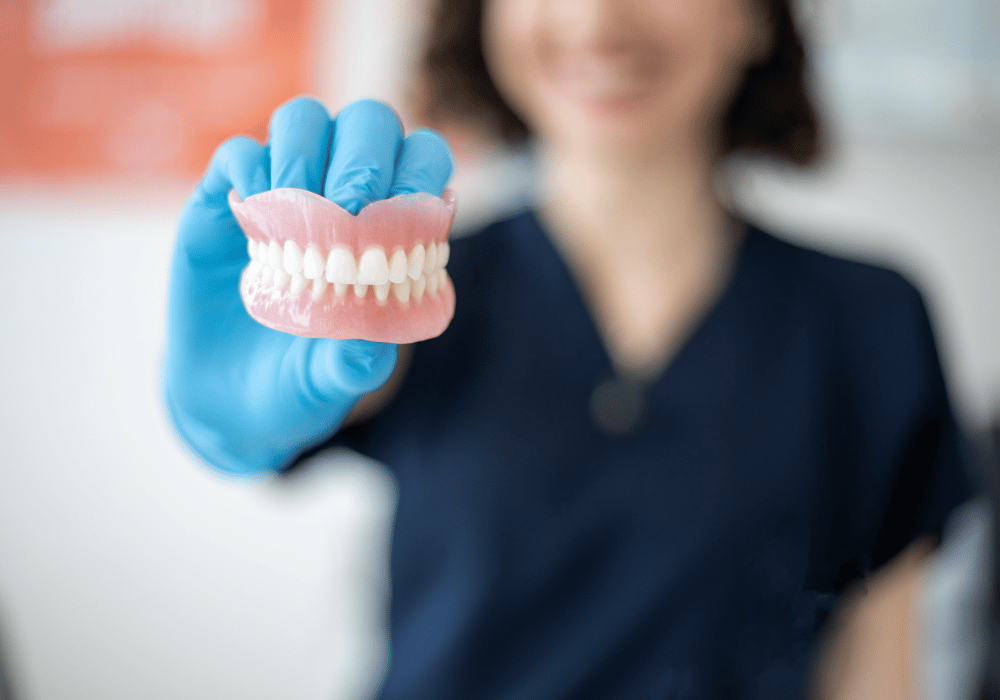
Dentures still have a place. A well‑made set of complete dentures can restore confidence and function for patients who cannot pursue implants. That said, the fit of a lower denture is often less stable due to the tongue and limited bone. Two lower dental implants with a snap‑in overdenture transform stability and chewing confidence without the expense of a full fixed bridge.
Emergencies, triage, and when to call
Dental problems do not read calendars. A cracked tooth on a Friday night or facial swelling on a holiday needs quick, clear guidance. A practice that offers emergency dental service should triage by phone and bring you in when pain, infection, or trauma warrants it.
Severe pain to hot that lingers, especially if it keeps you up at night, suggests pulpitis and often leads to a root canal. A pimple‑like bump on the gum or swelling indicates infection. Swelling that spreads toward the eye or down the neck is an emergency; go directly to urgent care or a hospital, as airway compromise can develop quickly.
A knocked‑out adult tooth can sometimes be saved if replanted within 30 to 60 minutes. Hold it by the crown, not the root. If dirty, gently rinse with saline or milk, then reinsert into the socket if you can, or keep it in milk and get to a dentist immediately. Do not scrub the root. For broken teeth that are not avulsed, store fragments and bring them; sometimes they can be bonded back.
For broken dentures, temporary repair kits can help you through a weekend, but a lab repair or remake will restore fit and comfort. If a crown pops off, keep it, avoid chewing on that side, and call for a recement visit. Do not use superglue in the mouth.
Special considerations for patients in and around London, Ontario
If you are searching for a dentist in London, Ontario, you will find a full range of dental services across general practices, a dental clinic at Western’s Schulich School, and specialists in periodontics, endodontics, and oral surgery. Patients often ask whether to see a dental implants periodontist or a general dentist who restores implants. In many cases, a periodontist or oral surgeon places the implant and a restorative dentist designs the crown. Good outcomes rely more on coordination than on titles. Ask how often the team works together and request to see cases similar to yours.
Cosmetic dentistry London and cosmetic dentistry London Ontario are terms that cover everything from bonding to veneers. A cosmetic dentist should show you both photographs and, ideally, a mock‑up in your mouth before any permanent changes. Teeth whitening London and teeth whitening London Ontario services vary in concentration and technique. If you have sensitivity, start with a lower‑concentration gel and build up, rather than jumping to the strongest in‑office option.
For urgent needs, look for an emergency dentist London or emergency dentist London Ontario with same‑day slots and clear fee structures. Dentures London Ontario providers range from general practices that partner with a lab to denturists who fabricate prosthetics directly. Dental implants London, dental implants London Ontario, and dental implants London searches will surface both surgical and restorative providers. Choose the team that answers your questions about healing timelines, temporary tooth options, and long‑term maintenance.
Myofunctional therapy, airway, and why your bite keeps changing
Some adults finish orthodontics only to see teeth drift over the next few years. Often, the culprit is not the retainer, https://gunnerzhfl369.image-perth.org/dentures-in-london-ontario-custom-fit-comfort-and-maintenance it is muscle patterns and airway. Chronic mouth breathing, low tongue posture, and tongue thrust during swallowing change the forces on teeth. Myofunctional therapy addresses these patterns with targeted exercises and habit retraining, sometimes in coordination with ENT evaluation for nasal or airway issues. When therapy is indicated, integrating it before or during orthodontic care creates more stable results. I have watched a child’s open bite close with combined braces and myofunctional work, where braces alone had failed.
What to ask at your next exam
A few focused questions can make your appointment more useful. Use this short checklist to steer the conversation.
- Based on my history, how often do I need bitewing X‑rays and why Do you see any areas at risk of oral cancer, and what should I watch for at home How healthy are my gums, and what is my bleeding score or pocket depth trend If I postpone recommended fillings or crowns, what are the likely consequences If I want whitening or veneers, how will that sequence with any other treatment
How dentists weigh trade‑offs you rarely see
Patients deserve transparency about why we recommend what we do. Here are a few of the behind‑the‑scenes judgments that shape plans.
- Filling vs onlay or crown: A filling works when enough healthy tooth remains to support daily bite forces. If decay undermines a cusp, a bonded onlay or crown prevents future fracture. Cheaper today is not cheaper if the tooth cracks next year. Root canal vs extraction and implant: A restorable tooth with a cracked filling and a treatable pulp problem is usually best saved with a root canal and crown. An unrestorable tooth with deep cracks below the gumline, or with vertical root fracture, is better extracted, then replaced with a dental implant or a bridge. Clear aligners vs braces: Aligners demand high patient compliance and excel in many adult cases. Fixed braces provide more precise control for rotations and complex movements. The choice is not about trend, it is about biomechanics and your habits. Whitening: in‑office vs trays: In‑office is fast but can increase sensitivity for a day or two. Trays are slower but more adjustable and cost‑effective over time. If you have existing front fillings, plan for replacement afterward so the colors match. Implants vs dentures: Implants feel and function like natural teeth but require adequate bone and a longer timeline. Dentures are faster and less costly upfront, but lower dentures are inherently less stable. Two implants under a lower denture are a powerful compromise.
A note on maintenance after major work
Any restoration, from a simple composite to a full arch of implants, needs maintenance. Night guards protect work if you clench or grind. Water flossers and interdental brushes around implant crowns reduce bleeding and keep the tissue tight. Professional cleanings remove calculus that hides along the gumline where you cannot reach. Annual or biannual exams with selective X‑rays catch small failures before they cascade.
I keep charts of patients with full‑mouth rehabilitation. The ones who look and feel great ten years later are not the ones with the most expensive materials. They are the ones who show up, clean well at home, and call at the first sign of trouble.
The quiet value of continuity
Continuity often matters more than perfection. A dentist who knows your bite, your sensitivity patterns, and your priorities will help you avoid crisis care. Whether you visit a small dental clinic or a large dental clinic London practice, choose a team that listens and explains, not one that recites a script. If you need a second opinion on a complex plan or an emergency dental service on short notice, you should feel comfortable asking. Dentistry works best as a long‑term collaboration, not a series of one‑off repairs.
A complete dental exam is not a lecture or a sales pitch. It is a conversation anchored in careful observation, judicious imaging, and respect for your goals. Ask for clarity. Expect reasoning. Value prevention. The payoff is simple: fewer surprises, smaller procedures, and a smile that stays strong in real life.