Replacing a missing tooth changes more than a smile. It restores bite strength, stabilizes adjacent teeth, and helps preserve jawbone volume that would otherwise shrink after a tooth extraction. If you are weighing dental implants in London, you deserve a clear, realistic timeline from first consultation to final crown, with the variables that can shorten or lengthen the journey. I have placed and restored implants for years across straightforward and complex cases, and the same principles hold: plan carefully, respect biology, choose components well, and communicate at every stage.
Why implants are different from other options
A dental implant behaves like an artificial tooth root. A titanium or zirconia post fuses with the jawbone through osseointegration, creating a solid base for a crown, bridge, or denture. Compare that to a traditional bridge, which relies on the neighbouring teeth for support, often requiring reduction of healthy enamel. Removable dentures can restore appearance quickly, but chewing efficiency is lower and bone resorption tends to continue under the denture base.
Patients often ask whether they should do a root canal instead. If a tooth can be predictably saved with endodontic therapy and a proper crown, I prefer that route. Root canal treatment maintains the natural ligament that provides fine bite feedback, and the long-term success is very good when a tooth is restorable. Once decay, fracture, or previous work makes survival improbable, an implant becomes a more reliable investment. Good cosmetic dentistry does not chase a specific technique. It plans for longevity and function, then chooses the path that best fits your mouth, timeline, and budget.
A practical timeline at a glance
Most single-tooth implant cases in healthy, non-smoking adults follow one of three timelines:
- Immediate placement and temporary tooth on the day of extraction: 3 to 6 months to the final crown, suitable for selected front teeth with good bone and stable bite. Early placement after extraction: 4 to 8 months, common when soft tissue needs to mature or minor bone grafting is required. Delayed placement with guided bone regeneration or sinus augmentation: 6 to 12 months, used when bone volume is insufficient or infection must resolve fully.
Those ranges are honest, not marketing. Each step only moves forward when tissue is healthy and stable. Rushing costs more time later.
Step 1: The consultation and diagnostic workup
Your first visit sets the tone. I take a full medical history, discuss medications, and ask about habits like smoking, vaping, clenching, or myofunctional therapy exercises you may be doing. The latter sometimes reveals tongue posture or airway matters that influence orthodontic braces, bite forces, and even implant loading patterns.
A thorough dental exam follows. Expect high-resolution photos, periodontal measurements, and an evaluation of existing dental services and restorations. Many patients considering a single implant also need routine care like fillings, teeth cleaning with a dental hygienist, or updates to a night guard. A clean, stable mouth heals better. If you are due for dental exams, we bring those up to date before surgery.
Imaging is non-negotiable. A cone beam CT scan maps bone height, width, and density to the millimetre. It reveals the proximity of the maxillary sinus, the inferior alveolar nerve, and any hidden infection. For front teeth, I also evaluate soft tissue thickness and the smile line to plan a crown that blends with neighbouring incisors. In the lower jaw, I evaluate knife-edge ridges that may need contouring or augmentation. If you previously had a tooth extraction, we assess the socket and whether an immediate implant is feasible.
At this stage, we discuss whether you are a candidate for the simplest path or whether you will benefit from staged grafting, sinus lift, or orthodontic support. In some cases, limited braces can correct a drifted tooth or upright a tilted molar, making implant positioning more predictable.
Step 2: Pre-surgical preparation
Stable gums and plaque control are the quiet heroes of implant success. I schedule teeth cleaning prior to surgery and reinforce home care. Electric brushes, interdental brushes, and, for certain implant sites, a simple water flosser help. If gums bleed easily, we improve that before any incision. Smokers receive candid counsel. Nicotine constricts blood vessels, compromises healing, and doubles the risk of early implant failure. If quitting entirely is not possible, a nicotine-free window around surgery makes a noticeable difference.
Acute infection needs attention before implant placement. Sometimes we perform a non-surgical root canal to calm a neighbouring tooth, or an emergency dental service treats a fractured cusp. If a tooth is hopeless and painful, an emergency dentist in London will provide prompt care, then refer for planned implant therapy later. Coordination matters. A dental clinic with general dentists, a cosmetic dentist, a dental implants periodontist, and restorative expertise under one roof reduces delays.
Step 3: Tooth extraction and what happens that day
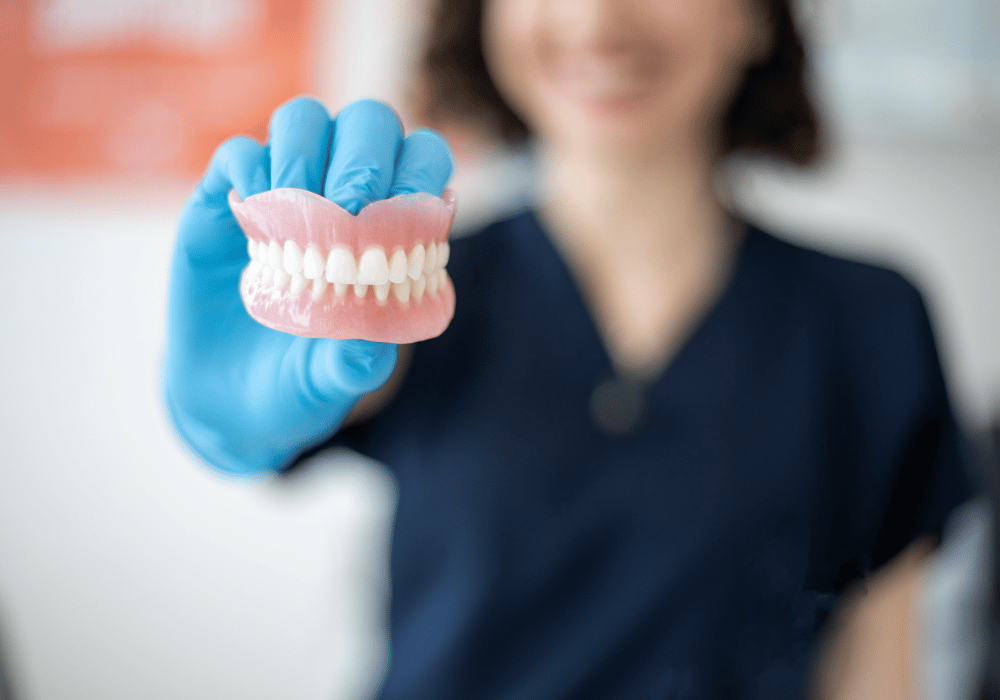
If the tooth remains in place and is deemed non-restorable, extraction is the first operative event. Atraumatic technique preserves the thin bone plate at the front of the upper jaw, critical for aesthetics. If the socket walls are intact and the site is infection-free, an immediate implant may be placed. I assess primary stability with insertion torque and resonance frequency analysis. If stability is high and the bite allows it, a provisional crown can be added the same day. This is the scenario patients love because they walk out without a visible gap.
More often, especially in molars with curved, divergent roots, I place the implant immediately but use a temporary healing abutment rather than a crown, then graft the gap between implant and socket wall with a particulate biomaterial and collagen membrane. If infection or bone loss is significant, I stage the process: graft and membrane first, wait 8 to 12 weeks for soft tissue maturation, then place the implant.
People routinely ask about pain. Sensation varies, but most describe a dull ache managed well with alternating ibuprofen and acetaminophen for two to three days. Swelling peaks at 48 hours. Ice packs, elevated sleeping position, and avoiding vigorous rinsing help. I rarely prescribe antibiotics for clean extractions and routine implant placement, but if we encounter an active infection or do a sinus lift, a short course is prudent.
Step 4: Grafting, sinus lifts, and other detours
Insufficient bone calls for reconstruction. This is where timelines stretch, and for good reason. In the upper molar region, the sinus often expands into the area where roots once occupied. If bone height under the sinus is limited to 3 to 4 millimetres, a lateral window sinus augmentation is often best. The sinus membrane is gently elevated and graft material added, creating a new foundation. Healing runs 6 to 9 months before placing an implant or, if primary stability is achievable, simultaneously placing one and waiting the same period before loading it.
Vertical or horizontal deficiencies in the front teeth require guided bone regeneration. A reinforced membrane holds space while the body creates new bone. Expect 4 to 6 months before implant placement. These months are not idle. We monitor, adjust a temporary flipper or bonded bridge if used, and protect soft tissues. Patients who grind need a protective splint, because micro-movements sabotage grafts.
Complex cases benefit from a dental implants periodontist or oral surgeon for the surgical phase, with the restorative work coordinated by your dentist. I have seen terrific outcomes when the referral loop is tight, photos and CBCTs are shared, and the restorative goals are clearly defined from the start.
Step 5: Implant placement and osseointegration
Insertion day is methodical. After local anesthesia, a guided or freehand protocol prepares the osteotomy. In esthetic zones, I angle slightly palatal to preserve the labial plate and to position the screw access through the cingulum of the future crown. In posterior regions, load distribution and hygiene access drive angulation. I record torque values at insertion. A torque above roughly 35 Ncm, combined with good bone density, can permit a screw-retained provisional in select cases, though I still avoid heavy bite contact early on.
Osseointegration is biology doing its quiet work. The implant surface attracts bone-forming cells, and a strong bond develops over weeks. Lower jaws integrate faster due to denser bone, often 6 to 10 weeks. Upper jaws commonly need 10 to 16 weeks. Smokers, poorly controlled diabetics, and patients on certain antiresorptive medications may require longer intervals or tailored protocols. If you have a history of bisphosphonate or denosumab therapy, we discuss risks and coordinate with your physician.
During this phase, I stress bite awareness. Avoid cracking nuts, chewing ice, and tearing into baguettes on the implant side. If you wear dentures, we often relieve and reline an acrylic denture so it does not press the surgical site. Patients with full or partial dentures in London Ontario frequently need these adjustments as bone and soft tissue remodel.
Step 6: Uncovering, healing abutments, and soft tissue shaping
For implants placed under the gum, a brief uncovering procedure exposes the top and attaches a healing abutment. Over 10 to 14 days, tissue rounds into a collar shape. Shaping soft tissue is as much art as science. In the front, I often use a custom provisional crown to sculpt papillae and the emergence profile. This is where cosmetic dentistry earns its name, not by making teeth look bright, but by making them look like they grew there.
Patients sometimes combine cosmetic dentistry in London with implant care. That could mean whitening the natural teeth before shade selection for the crown, or placing porcelain veneers on adjacent teeth that have old fillings and uneven edges. Whitening should be done at least two weeks prior to final shade matching, otherwise color can drift. If you plan braces or clear aligners, coordinate timing. Minor orthodontics before implant placement can improve spacing and crown proportions, while moving teeth after an implant is placed requires careful anchorage planning since an implant will not move like a natural tooth.
Step 7: Impressions, digital scans, and the final crown
Once the implant is stable and tissue contours look good, we take records for the final restoration. Today, many clinics use digital scanners instead of physical impression trays. Scan bodies are attached to the implant, and software captures exact positioning. That data guides a custom abutment and crown design. For single anterior teeth, I often request a zirconia or lithium disilicate crown on a custom titanium or zirconia abutment, tuned for the best blend of strength and translucency. For molars, high-strength monolithic zirconia holds up under heavy chewing.
Shade matching happens in daylight, under operatory lights, and sometimes with a lab technician present. A single central incisor is the most demanding tooth in dentistry. I warn patients to expect at least one try-in and possible refinements. The goal is not just color, but surface texture and light reflection that match the neighbour.
Screw-retained crowns simplify maintenance and avoid cement under the gum, which can inflame tissue. When angulation makes a screw access impossible in a pleasing location, a cement-retained crown on a custom abutment is appropriate. In that case, I use a retrievable cement protocol, minimal cement, and careful cleanup.
Costs, insurance, and value
Pricing in London varies by clinic and by complexity. A straightforward single implant, abutment, and crown often totals a few thousand dollars, while cases needing sinus lifts or staged grafts can be significantly higher. Insurance plans may cover part of the surgical phase or the crown under major restorative benefits, but most policies cap annual benefits. A phased plan helps some https://knoxspdd149.tearosediner.net/teeth-whitening-in-london-sensitivity-tips-and-shade-guides patients spread cost: extraction and socket preservation first, implant placement later, then the crown. A transparent written plan from your dental clinic in London makes communication with insurers easier.
I have seen patients compare implants with a bridge on price alone. Spread over a 10 to 20 year horizon, implants hold their value. They do not decay, and they help preserve bone. Bridges can be excellent, but if anchor teeth later need root canals or replacement, the costs stack up. The cheapest day will always be the first day you put off fixing the problem. Years later, the bill comes due with more missing bone and more complex work.
Risks and how to reduce them
Nothing in medicine is risk-free. Early implant failure occurs in a small percentage of cases, usually due to infection or micromotion. Late complications include screw loosening, porcelain chipping, peri-implant mucositis, and peri-implantitis. The last two are gum and bone inflammation around the implant. Plaque is the driver, so hygiene is the antidote. A water flosser, interdental brushes, and routine maintenance with a dental hygienist go a long way.
Night grinding cracks natural teeth and crowns alike. A protective night guard keeps forces within what the implant and bone can tolerate. If you have untreated sleep apnea, address it, because the clenching patterns are intense. For patients wearing orthodontic braces, coordinate retainer design so it does not stress the implant site.
Systemic health matters. Diabetes control, vitamin D sufficiency, and avoidance of smoking positively influence outcomes. If you are considering myofunctional therapy for tongue posture and nasal breathing, the benefits extend past orthodontics, often reducing clenching and improving oral environment over time.
A day in the chair: what patients actually feel
Here is what most patients report. The consultation feels like a lot of information, but clarifying. The CBCT is quick. Extraction day produces a numb, full sensation and later a deep ache that fades within 48 hours. The implant placement itself feels like pressure and vibration, not pain. Stitches itch around day three. By day seven, most people forget they had surgery. The uncovering visit is quick. The scanning visit is quiet and high-tech. The crown delivery is the most satisfying part, because you can finally bite normally.
I recall a patient who lost a lateral incisor in a bike mishap. He wanted teeth whitening in London for a brighter smile, but we needed to restore the tooth first. We placed an immediate implant, then a custom provisional that shaped the gum. Three months later, we whitened his natural teeth to a stable shade, then matched a final crown. He came back a year later for routine dental exams and cleaning, and the implant looked like it belonged there from the start.
Choosing the right team in London
Dentist selection matters more than the brand of implant. Ask how many implants the clinician places or restores each year. Look at photos of their work, not stock images. A dentist comfortable with both surgical and restorative steps may keep most care in-house, while some cases benefit from a combined approach with a periodontist or oral surgeon. If you need an emergency dentist in London because a tooth fractures over a weekend, prioritize stabilizing the site, then loop back to planned implant care. Clinics that offer comprehensive dental services, from teeth whitening to dentures and porcelain veneers, can sequence treatment so cosmetic goals align with functional needs.
Patients often search for dentist London or dental implants London Ontario and face pages of options. Pay attention to how a practice talks about maintenance. Implants are not set-and-forget. They need the same care as natural teeth, sometimes more. A practice that values prevention, spending time on teeth cleaning and home care coaching, generally delivers better implant health.
Maintenance and long-term expectations
Once your crown is in place, treat the implant as part of you. Brush twice daily, clean between using interdental brushes or floss designed for implants, and keep your recare interval. Many patients do well on a 6 month schedule, while those with past gum disease benefit from 3 to 4 month intervals. Hygienists use instruments compatible with implant surfaces to avoid scratching. Radiographs every one to two years track bone levels.
Expect minor maintenance. A small percentage of screw-retained crowns loosen over many years, often after a hard bite event. It is usually a quick fix. Chipped porcelain can be polished or replaced depending on size and location. If your bite changes with age or after orthodontics, an occlusal adjustment may be prudent.
If you ever consider additional cosmetic dentistry London, such as updating old fillings or adding porcelain veneers to improve symmetry, coordinate shade and shape with your implant crown. Materials age differently. Keeping your records and digital scans on file makes future updates smoother.
When an implant is not the right choice
Contraindications exist. Active chemotherapy, uncontrolled diabetes, heavy smoking, and certain bone medications heighten risk. Severe bruxism without commitment to protective therapy makes outcomes unpredictable. Some patients prefer a removable solution for cost or medical reasons. Modern dentures in London Ontario, combined with a couple of implants for retention, can transform comfort and chewing without the cost of a full fixed bridge.
For adolescents, implants must wait until growth stops, usually late teens to early twenties, or later for males. In the interim, a bonded bridge or removable partial protects the space. Positioning teeth with orthodontic braces before implant placement avoids awkward spacing later.

Bringing it all together: a realistic roadmap
A single implant in healthy bone with no grafting can move from consultation to crown in about three to four months. Add grafting, and you are looking at six to nine months. Significant sinus work or ridge augmentation can stretch to a year. Those timeframes are not setbacks; they are an investment in a result that looks natural, bites comfortably, and lasts.
If you start today, here is a simple way to pace it:
- Month 0: Consultation, CBCT, hygiene, finalize plan, address urgent issues like fillings or adjacent tooth care. Month 1: Extraction with immediate implant or socket preservation graft, plus a temporary tooth if needed. Month 2 to 4: Osseointegration period, soft tissue management, uncovering as required. Month 3 to 6: Scan for the crown, try-in if anterior, deliver the final restoration, begin maintenance routine.
Adjust the months for grafting or sinus lifts. The cadence stays the same: diagnose, prepare, place, integrate, restore, maintain.
Final thoughts from the chairside
The best implant is one you stop thinking about. It should feel uneventful when you chew, invisible in photos, and sturdy when life gets busy. That outcome starts with clear planning and a team that understands the full arc from tooth extraction to the last polish on your crown. Whether you are visiting a dental clinic in London for the first time, comparing cosmetic dentistry London Ontario options, or coordinating with an emergency dentist London after an unexpected fracture, insist on a plan that respects biology and your goals.
If you keep your gums healthy, protect your bite, and return for regular care, your implant can serve for decades. And if you ever decide to brighten your smile with teeth whitening London or refine shape with conservative cosmetic dentistry, your implant crown can be part of that story rather than a limitation. That is the standard I hold for my patients: a solution that fits their life now, and still makes sense ten years from now.